Roof Flashing: The Small Details That Prevent Big Problems
Learn why chimneys, walls, valleys, and roof penetrations deserve careful flashing details in a replacement scope.
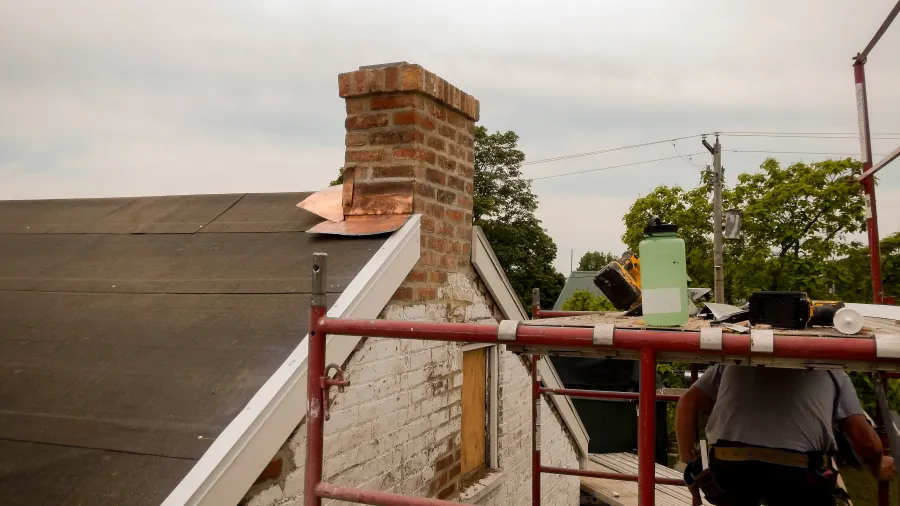
Flashing protects the places where water has the easiest path into the home: chimneys, walls, valleys, skylights, pipe penetrations, and roof-to-wall transitions.
Transitions are the test
A flat field of shingles is only one part of the roof. The hardest-working details are where roof planes change direction or meet another material.
Replacement scope should name flashing
A good roof estimate should clarify whether flashing is replaced, reused, repaired, or evaluated during tear-off. Vague language can lead to mismatched expectations.
Flashing areas to review
- Chimney step flashing and counterflashing.
- Wall intersections and sidewall transitions.
- Valleys, skylights, pipe boots, and vents.
- Drip edge and eave/rake transitions.
Ready to talk through your roof?
Start with the roofing page, calculator, or a field-confirmed estimate.